
Flowerbeds

Flowerbeds are one of the most impactful ways to enhance your home’s curb appeal, add some seasonal color, and create structure in your landscape. In a coastal climate like Virginia Beach thoughtful design and proper installation are the key to long-term success.

Flowerbed Installation

Our flowerbed installation process includes designing, preparing, and planting a defined garden area with flowers, shrubs, and accent plants. Finally we apply finishing touches like clean bed edging, watering inspection and establishment care instructions. The end result will be a flowerbed that not only looks great, but thrives for years.
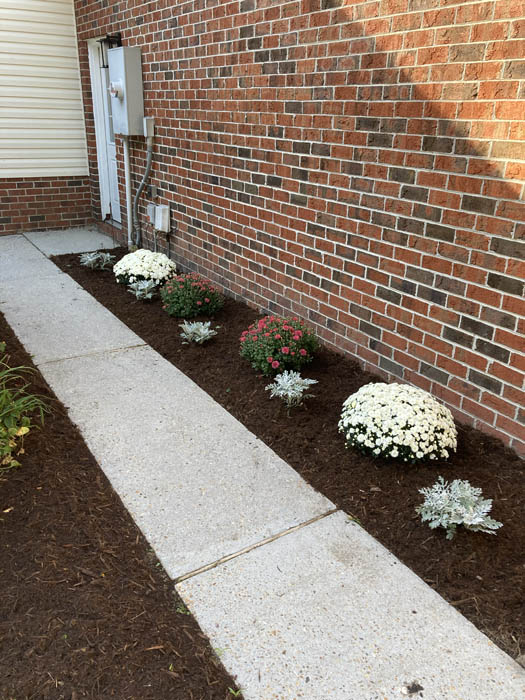

Landscape Design from Coastal Roots Landscape & Design

Make An Impact and Increase Curb Appeal

Contact us today to schedule your on-site design consultation and take the first step towards adding beautiful flowerbeds to your Virginia Beach property that not only look great, but thrives for years. Proudly serving Virginia Beach, Chicks Beach, Great Neck, Shore Drive and Coastal Hampton Roads.

Frequently Asked Questions About Flowerbeds

Spring and fall are typically the best times for installation because temperatures are milder and plants establish more easily. However, flowerbeds can be installed year-round with proper irrigation and plant selection.

Most residential flowerbed installations take 1–3 days, depending on the size of the area, soil preparation required, and number of plants being installed.

A professional design ensures plants will thrive long-term—not just look good at installation. Plant selection depends on:

  • Sun or shade exposure
  • Soil type and drainage
  • Climate zone
  • Maintenance preferences
  • Desired color palette

Many flowerbeds combine both for balance and continuous interest.

  • Annuals bloom for one season and provide vibrant seasonal color.
  • Perennials return year after year and provide long-term structure and recurring blooms.

Flowerbeds should typically be mulched once or twice per year. A 2–3 inch layer helps retain moisture, regulate soil temperature, and suppress weeds.

Healthy, dense plantings also help crowd out weeds naturally. Weed prevention includes:

  • Proper soil preparation
  • Landscape fabric (in some cases)
  • Consistent mulching
  • Regular maintenance and hand removal
  • Pre-emergent treatments when appropriate

Newly installed flowerbeds require more frequent watering during the first few weeks. Once established, watering frequency depends on plant type, rainfall, and season. Drip irrigation systems provide efficient, consistent moisture.

A well-designed perennial flowerbed can last for many years with proper care. Annual flowerbeds are typically refreshed seasonally to maintain color and vibrancy.

Yes. Professionally designed flowerbeds enhance curb appeal, create a polished appearance, and make homes more attractive to buyers.

Maintenance levels vary. Low-maintenance beds use native or drought-tolerant plants, while high-color seasonal beds require regular planting and upkeep. Ongoing maintenance may include pruning, fertilizing, mulching, and replacing seasonal flowers.

Properly maintained flowerbeds do not typically attract harmful pests. In fact, many flowering plants attract beneficial pollinators like bees and butterflies.

Absolutely. Existing beds can be refreshed with new plantings, improved soil, updated edging, and seasonal color enhancements.

Frequently Asked Questions About Pollinator Gardens

A pollinator garden is designed to attract and support beneficial wildlife such as bees, butterflies, hummingbirds, and birds. It features nectar- and pollen-rich plants that provide food and habitat for these essential pollinators.

Pollinator gardens help sustain ecosystems by supporting species that are critical for plant reproduction. They also contribute to biodiversity, improve food production, and help combat the decline of pollinator populations.

Native flowering plants are the best choice, as they are naturally suited to local pollinators. Popular options include coneflowers, milkweed, black-eyed Susans, bee balm, and lavender.

Not necessarily. Once established, pollinator gardens can be relatively low-maintenance, especially when using native plants. They typically require less water, fertilizer, and upkeep than traditional landscapes.

While pollinator gardens attract insects, most are beneficial rather than harmful. In fact, they often help control pests naturally by encouraging predatory insects and birds.

Frequently Asked Questions About Perennial Gardens

A perennial garden features plants that return year after year, eliminating the need to replant each season. These gardens provide long-term beauty and structure to your landscape.

Perennials are cost-effective over time, require less replanting, and often need less maintenance once established. They also provide consistent seasonal color and can increase property value.

Consider your climate, soil type, sunlight exposure, and desired bloom times. A well-planned perennial garden includes a mix of early, mid, and late-season bloomers for continuous color.

Perennials generally require moderate maintenance, including occasional pruning, dividing, and seasonal cleanup. However, they are less labor-intensive than annual gardens in the long run.

Absolutely. Perennial gardens pair well with pollinator gardens, ornamental landscapes, and even vegetable gardens, creating a diverse and visually appealing outdoor space.